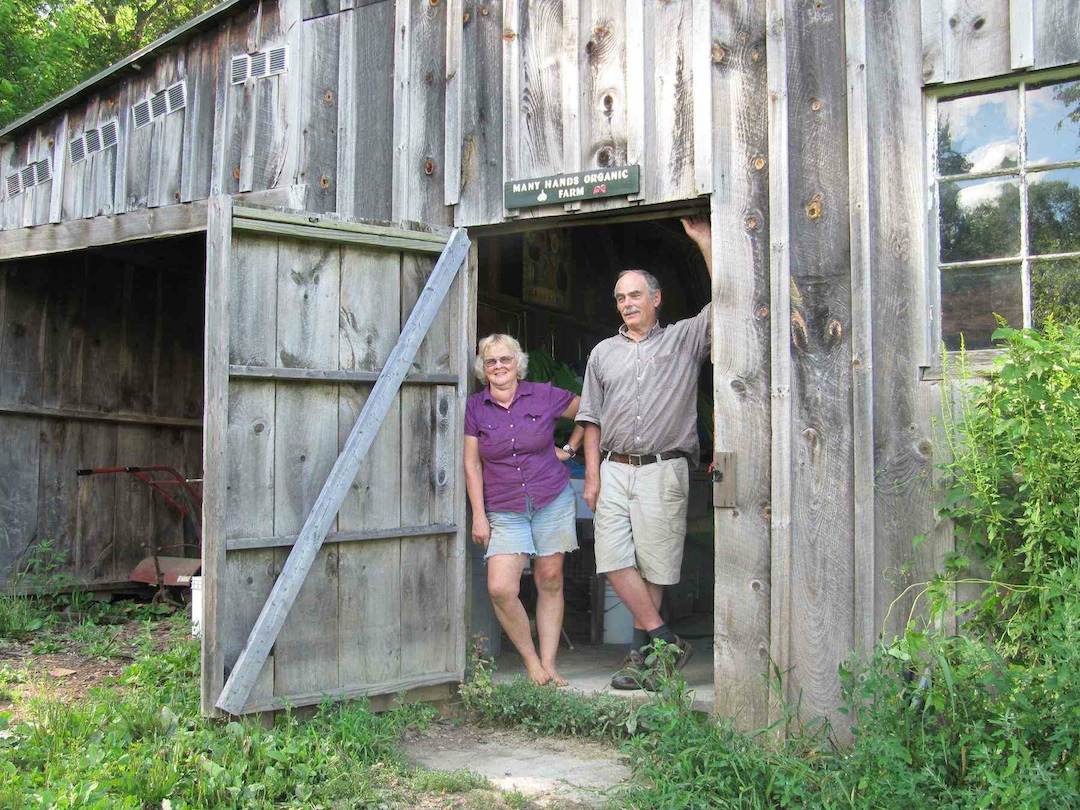
Julie Rawson grew up on a western Illinois farm with parents who mixed agriculture, medicine (her father was a large-animal veterinarian), and activism (her mother was deeply engaged in civil rights issues). When she was pregnant with her first child, she said to her husband, Jack Kittredge, “I’m really sorry, but I think I have to raise these children on a farm.” Jack’s background was far more suburban. “I wasn’t a farmer and didn’t intend to be a farmer,” he recalls, “but I fully supported homesteading, raising your own food, having the kids have access to all the principles and lessons that nature teaches you.”
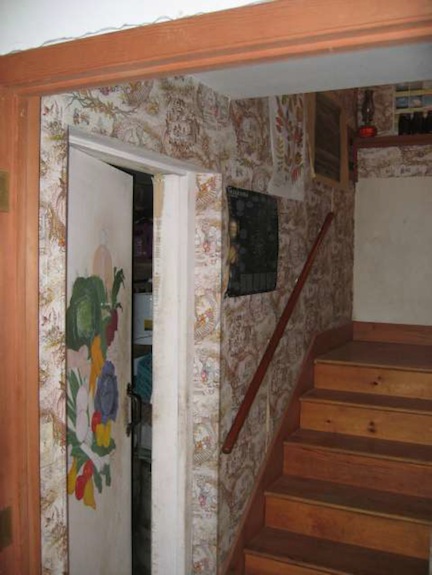
They purchased 55 acres of land carved out of what had been a larger farm in the southern part of Barre, and moved there in 1982. The surrounding acreage was already being subdivided into smaller houselots, but Julie and Jack immediately began creating a new farm, building an energy-efficient house and “a lot of sheds” as well as planting fruit trees and adding three more children to their family. They started marketing food on a small level in 1984 and now sell vegetables, fruit, meat, and eggs, mostly through Community Supported Agriculture (CSA) shares. They are also deeply involved in the policy, advocacy, and education sides of farming through their work with the Northeast Organic Farming Association (Julie serves as the executive director of NOFA/Mass, which is headquartered at their farm, and Jack is the policy director).
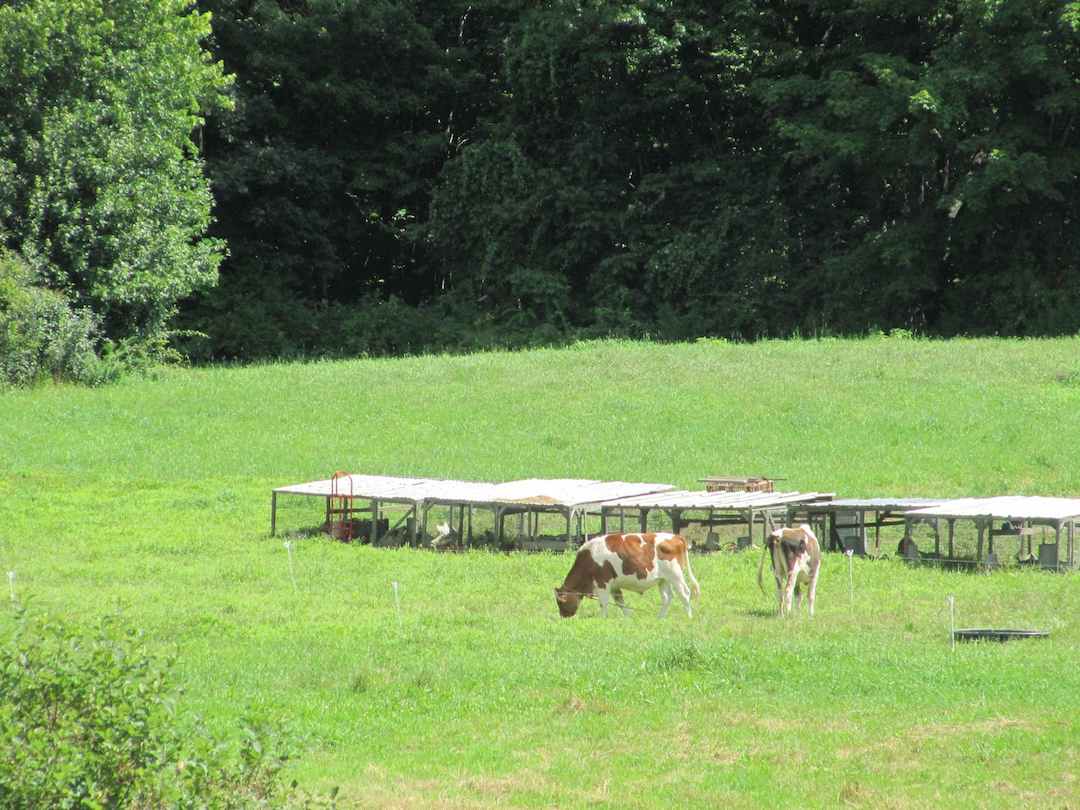
We tend to think of the 1960s and 70s as the “back to the land” era, making Many Hands Organic Farm something of a latecomer to that movement. And yet the history going “back to the land” in the northeastern U.S. shows that Americans have been acting on that impulse for a very long time. In starting their new Barre farm in the 1980s, Julie and Jack combined many of the motivations that have prompted others—urban, suburban, and formerly rural—to start or return to farming.
The first wave of new homesteading actually happened more than a century ago, largely in response to repeated financial panics around the turn of the twentieth century. American ideals of independence and achievement sat uneasily with the realities of the expanding industrial economy, with its market-driven booms and busts. Buying a piece of land where you could grow food—what Dona Brown has termed “the enduring dream of self-sufficiency in modern America”—was one way that people sought some kind of stability and security. [1]
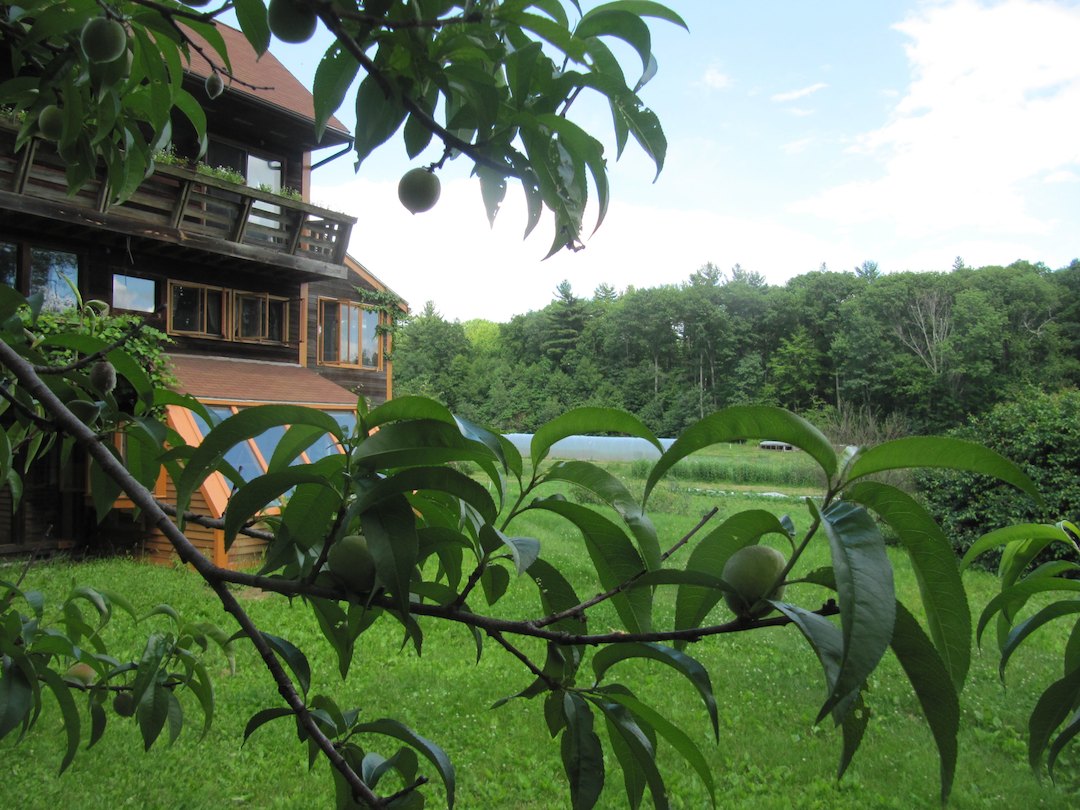
Peaking just before World War I, this trend was revived during the Depression by a wide range of people—immigrants from rural parts of southern and eastern Europe in search of affordable land, progressive reformers hoping to address the ills of industrial capitalism, city-dwellers returning to family farms as a source of food and community in hard times. Many old farms in central and north-central Massachusetts were reinvigorated in these decades, and some remain in active production today.
The ideal of eating healthy, home-grown food has long been a component of back-to-the-land thinking, and it is one that Julie Rawson and Jack Kittredge have embraced with particular gusto. Like other farmers who approach food cultivation in a holistic way, they see the vitality of the soil as integral to the nutritional value of what is grown there, which carries over to the health of the animals and people who eat those foods. They have worked for many years to build up the soil on their farm with minerals and organic matter and to learn about ways of preserving food at its peak—canning, drying, freezing, fermenting, juicing, and root-cellaring.
There have also always been tensions and contradictions within the back-to-the-land impulse, many of them centering around the use or rejection of the ideas and techniques of industrialized farming. Especially in the early decades of the twentieth century, some homesteaders eagerly followed the latest developments of agricultural science as promoted by agricultural extension services and companies selling new products to make farming more efficient and profitable. One of these was Red Apple Farm in nearby Phillipston, where a young couple who had grown up in Worcester parlayed their college educations in pomology (the science of cultivating fruit trees) and nutrition into a commercial orchard business at a once-disused farm starting in the late 1920s.
By the time of the more iconic back to the land movement of the 1960s and 70s, this faith in scientific agriculture was being deeply challenged. A host of interconnected environmentalist, economic, and social justice reasons came into play for the homesteaders of this era.[2] Many of these were prompted by revelations of problems caused by pesticide use. But there were also concerns about how the logic of expansion and economies of scale had left small farmers in the dust by that point. To survive economically, many older farms in the northeast turned to the kinds of direct-marketing techniques now widely favored by small producers. Red Apple Farm shifted into being a pick-your-own and farmstead operation in the early 1980s, just as Julie Rawson and Jack Kittredge were charting their own path into organic agriculture in Barre.
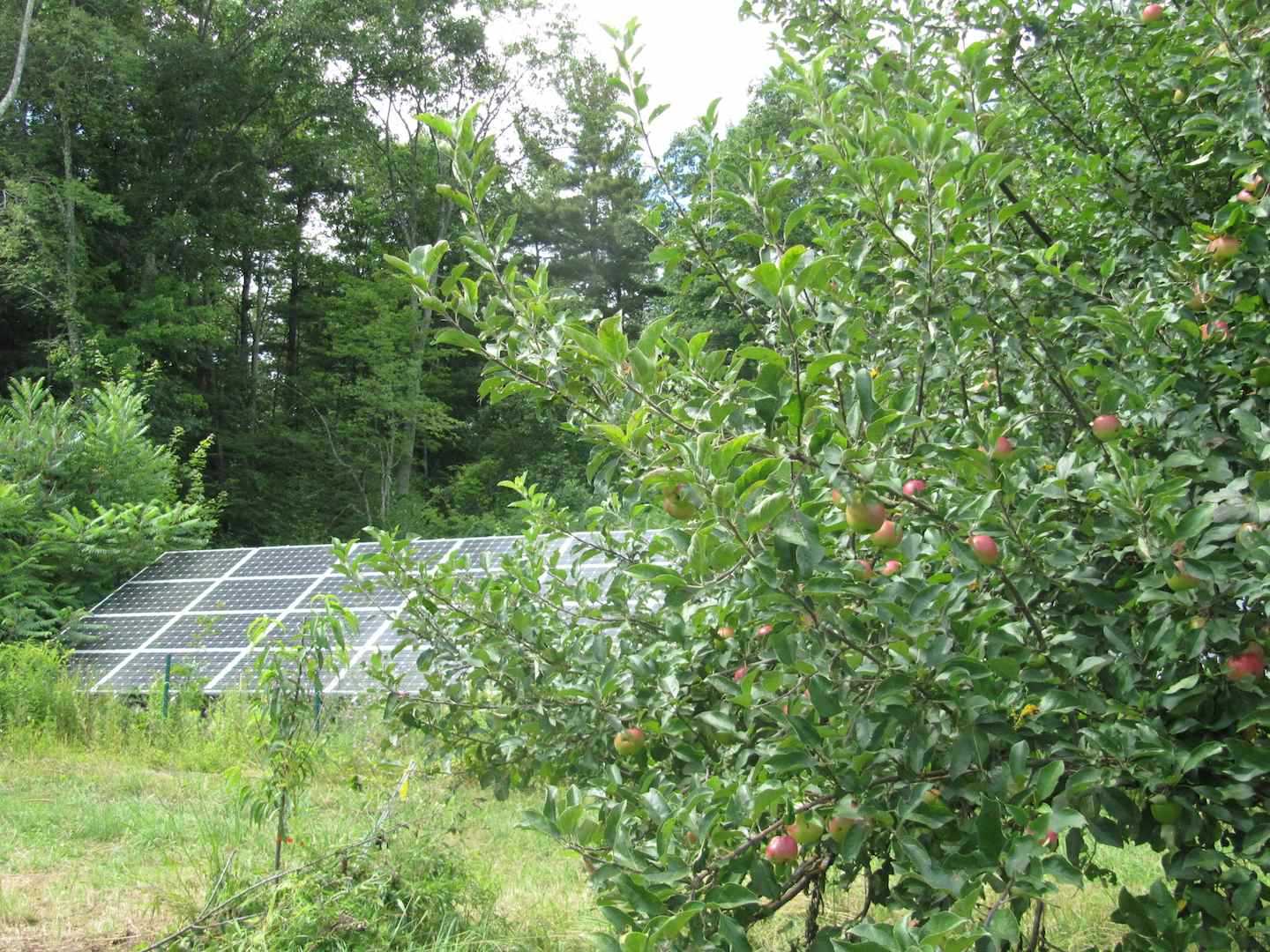
Even moreso than at most small farms founded in the environmentally-conscious era of late twentieth century homesteading, the work of Many Hands Organic Farm has been very directly linked with politicized issues around energy use, social justice, and climate change. Their project of employing and mentoring ex-offenders and people in recovery from addictions is prompted by their sense of how the worst stresses of contemporary modes of living, working, and eating fall disproportionately on the bodies of particular kinds of people, and how those patterns map onto racial and economic disparities. They are at the leading edge of discussions about “regenerative” modes of food production that minimize disruption to the teeming microbial life below the surface of our soils, a layer of activity that not only supports healthy food production but may provide a crucial way to sequester much of the excess carbon now circulating in—and over-heating—the atmosphere.
They are also helping to ground the dreams of a new generation of homesteaders in the challenges of actually running a farm. “There are a lot of folks out there saying, ‘Oh, I just want to give up my job and be a farmer,’” Julie says. “So I say, ‘Well, why don’t you come out and work with me for a day and see how it feels?’ And some of them go away and say, ‘Okay, I get it now, I don’t really want to be a farmer but it’s nice to know where my food comes from.’ And others get totally taken with it and want to change their lives.”
NOTE: Jack and Julie are now retired from NOFA. This post reflects information from the 2015 Farm Values project.
[1] Brown’s Back to the Land: The Enduring Dream of Self-Sufficiency in Modern America (University of Wisconsin Press, 2011) is a fascinating exploration of the recurring cycles of the homesteading impulse.
[2] Warren Belasco’s excellent study Appetite for Change: How the Counterculture Took on the Food Industry (Cornell University Press, 1989) explores the shift into a more environmentally-conscious mode of homesteading.



 ]]>
]]>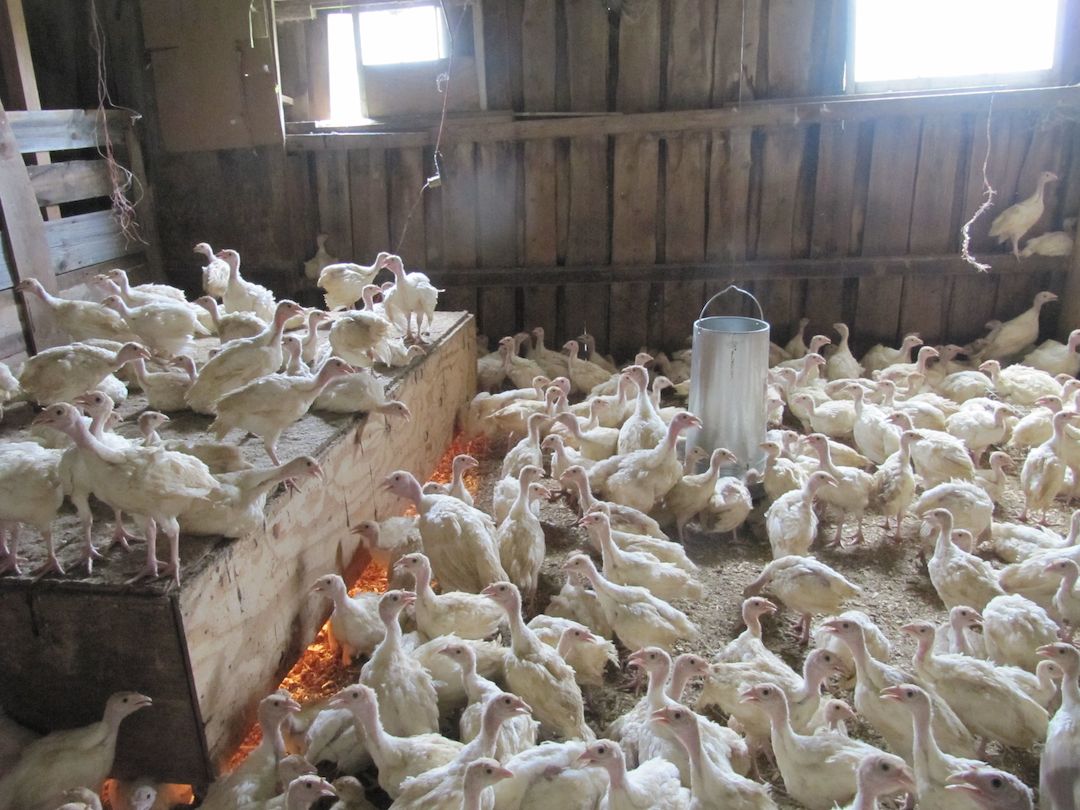
On a humid July day, the barn at the first of Kate Stillman’s two farmsteads in Hardwick is filled with cheeping. Dozens, or perhaps hundreds, of young turkeys occupy one side of the nineteenth-century structure, their pink faces wearing the perplexed look that young turkeys always seem to have. Their short lives will end a few months later at a second farm in the southern part of town, where Kate has recently added a poultry abatoir that gives her greater control over the growing meat business she started ten years ago.
The presence of the turkeys links Stillman Quality Meats with the past of this particular farm at the corner of Thresher and Jackson Roads. But it also represents an interesting moment in the longer history of agriculture in central Massachusetts. As area farmers found it harder and harder to compete with large-scale industrial food production, especially after the Second World War, many owners of small farms like this one shifted from full-time to part-time or seasonal operations and sometimes to “hobby farming” that removed them from commercial markets altogether. But when farmland has been owned by people who have cared about keeping it as farmland, the properties have remained as potential resources for newer enterprises, like Kate’s, that are part of today’s attempt to rebuild more locally- or regionally-oriented food systems.
In the 1820s, what seems to have been a modest eighteenth-century farm came into the hands of the Cleveland family, who owned a good deal of property in this northern part of Hardwick. In 1869, they sold it—now augmented to a 160-acre parcel—to a recently-married young Irish couple, Michael and Ellen (Carney) Mahan.

The Mahans appear to have been highly skilled and energetic farmers. They accumulated the capital needed to buy and run a farm within ten years of emigrating to the U.S., and in their first year at Thresher Road, with minimal equipment and only a 12-year-old hired boy to help them, they produced not only the corn, wheat, and potatoes that were common cash crops at the time, but also an impressive 3,000 pounds of cheese, suggesting that Ellen, who at 30 had just delivered the couple’s first child, was, like many farm women, an adept cheesemaker.[1] They also sold meat and a good deal of wood. Ten years later, the 1880 census showed that their “unimproved” acres had been converted to income-producing pasture, orchard, or woodlot and that they now had three sons and a daughter.
The Mahans’ mixed farming operation was similar to countless others in central Massachusetts in this time period. As profits from meat and grain dwindled when railroads began bringing products from much larger farms to the west, people in Hardwick found new sources of income, not only from the textile and paper mills that were appearing by mid-century but by a significant level of both on- and off-farm cheesemaking. Three “cheese factories”—small-scale operations that bought milk from a number of nearby farms—were operating in Hardwick by the 1850s and accounted for more than half of the 300,000 pounds of cheese made annually in the town.[2]
But by the time Michael and Ellen Mahan set up their farm, cheesemaking, too, was feeling competitive pressures from western and midwestern states. We have no detailed data about what the Mahans produced in the later years of the nineteenth century, but if they continued to follow the general local pattern, they likely shifted more toward liquid milk dairying, perhaps with an increased emphasis on their orchards, poultry, and market gardening. [3]
Michael and Ellen died within a few years of each another in the first decade of the twentieth century, and their son Daniel and daughter Mary kept the farm going for several more decades. Mary died in 1932 and the 1940 federal census shows Daniel living there with a hired farmhand. When Daniel died the following year, the youngest Mahan son, John, then in his 60s, began coming back to Hardwick from his home in Springfield, where he had long been a traveling salesman in the food industry. John was the only one of his siblings ever to marry, and a 1920s family portrait of him with his family gives a clear sense of the middle-class aspirations of this one-time small-town farm boy. And yet he seems to have been unwilling to let the old family farm go.

John had an ally in his efforts to maintain some kind of farming activity: his son-in-law, George Crombie, who had married John’s oldest daughter Elizabeth. George was an Irish-American from Connecticut whose family owned an ice delivery business and also operated a fleet of school buses. Although George attended college and worked in the family companies, he himself seems, like Winfred Fellows in Warwick in the same time period, to have wanted nothing more than to be a farmer. As a boy, he belonged to 4H, raised hiefers, and won an award from the state for his agricultural accomplishments. And when his wife’s old family farm was in need of stewardship, he jumped immediately onto the bandwagon, lending a hand with haying and buying his father-in-law “a couple of turkeys to keep him busy,” in the words of George’s daughter Susan Twarog.
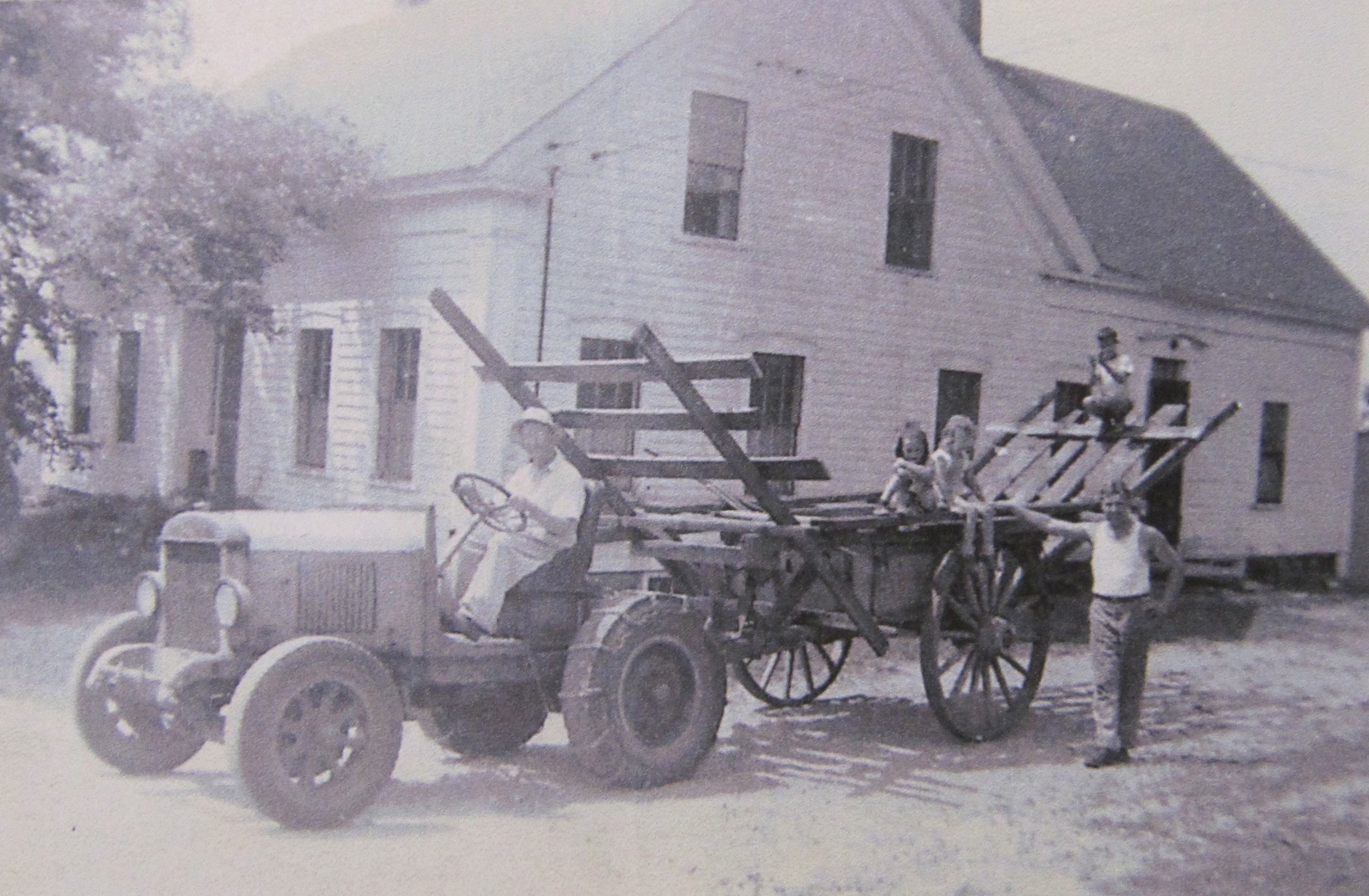
Before long, the “couple of turkeys” had expanded to a seasonal business in which the two men raised up to 5,000 free-range birds annually. They bought day-old chicks in Connecticut and kept them inside the barn until the Fourth of July, then put them outside with fencing and flares to keep the foxes away until the turkeys were big enough to protect themselves. After John Mahan died in 1956, George kept the business going himself, slaughtering the birds in the barn until about 1960 when more stringent regulations required him to build a separate government-inspected processing plant on the property.[4]
In his work for regional food wholesalers, John Mahan had actually been helping to widen the gap between small-scale producers and the increasing consolidation of food production and distribution. He and his son-in-law weren’t really able to compete in those expanding markets; George’s daughter Susan notes that her father was lucky if he was able to break even at the end of a year. But the two men—and a generation of young cousins who loved spending their summers at the farm—seem to have been motivated more by passion and place-attachment than by the profit motive. And they did find buyers for their birds: they sold turkeys to stores, restaurants, hotels, and hospitals, and did some direct-marketing to customers as well. It was laborious and rather old-fashioned, but it kept the farm functioning.
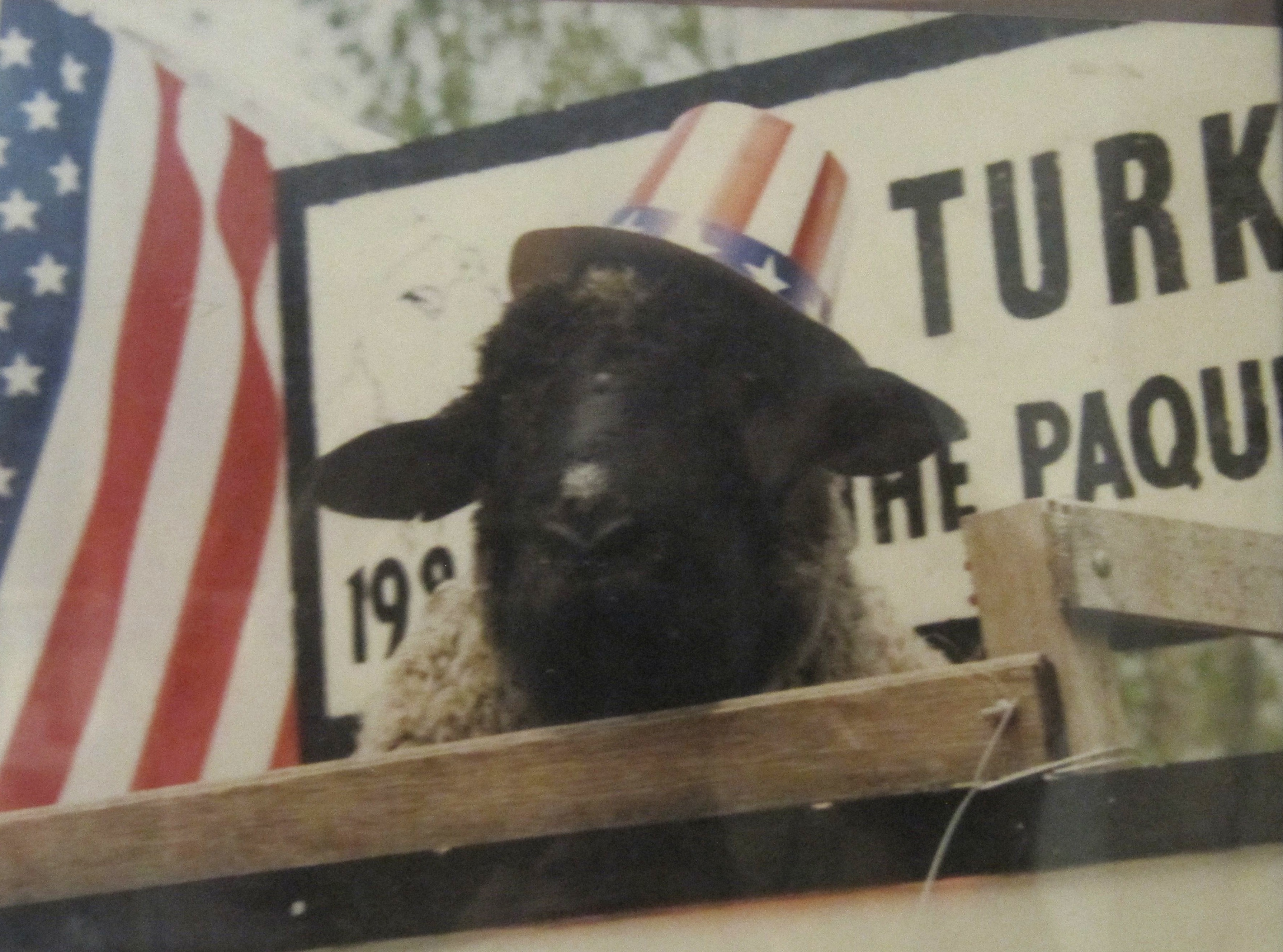
There has been only one gap in this farm’s operations: between 1975, when George and Elizabeth Crombie finally sold the property out of the family, and 1985, when it was bought by Bob and Linda Paquet. The Paquets were not commercial farmers, but they raised sheep for wool, restored and renovated the house and barn, and very much saw themselves as carrying on the Turkey Farm name and presence in the town. Their children belonged to 4H. And the family entered a three-tiered float in Hardwick’s 250th anniversary parade featuring a three-dimensional, living rendering of this old farm’s story. On the bottom layer, one of their daughters and a friend wore period costumes to evoke the Mahans’ dairy farm; George Crombie and his daughter Sue appeared with a live turkey on the second layer to represent the Turkey Farm years; and on top, the Paquets’ pet ram, Napoleon, was a literal link with the present moment on the farm.
With its current owner, who bought it from the Paquets in 2005, that story takes another turn. Kate Stillman’s grandfather was a dairy farmer in Lunenberg, Massachusetts, and her father Glenn started there to build an extensive direct-marketing business that now encompasses farmland in Lunenberg and Hardwick’s neighbor New Braintree.
The Stillmans coordinate their efforts and their collective presence in markets around eastern and central Massachusetts. Kate’s brother owns a farm just north of Hardwick Center, and Kate purchased a second Hardwick farmstead seven years ago, where she built her abatoir. Together, the family is able to offer a much wider and year-round range of products than most small direct-marketing operations. They are somewhere in between very small and large scales, serving customers who value a sense of face to face interaction but who also expect consistency and variety.
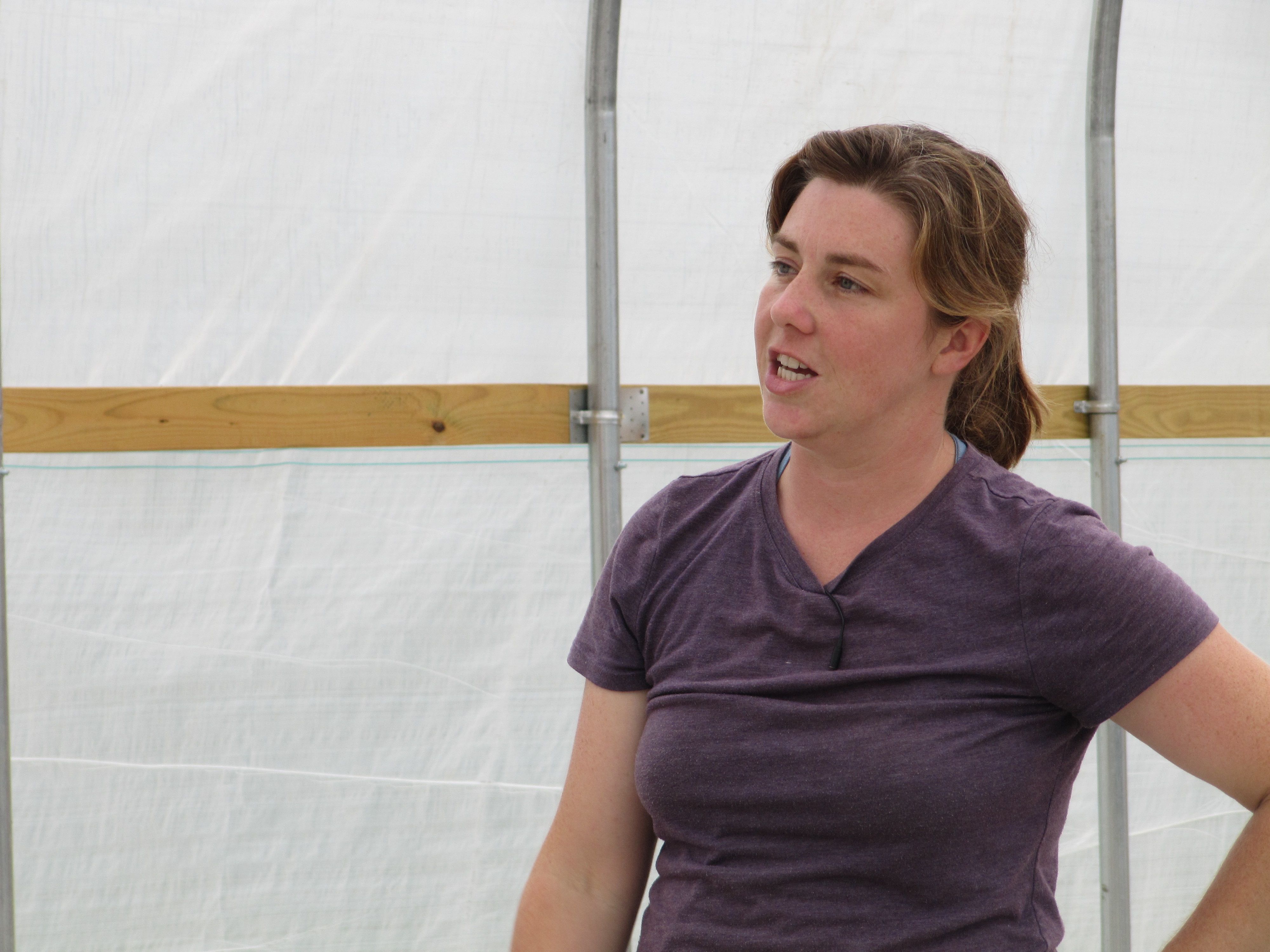
“It’s a hard stretch,” Kate admits. “If you have people who are used to going to the grocery and fancy high-end chain stores, they just are used to seeing that produce there. And they don’t understand that the peaches might not quite be be ripe, you know, that the turkey didn’t grow to 27.2 pounds, it only grew to 26 pounds! So being able to do our own processing actually has helped us narrow that gap a little bit and get closer to what people’s expectations are.”
Kate always intended to put her own name on her business. But local memory was strong enough that she found she couldn’t quite shed the Turkey Farm name, and the new farm started out as “Stillman’s at the Turkey Farm.” More recently it has been renamed Stillman Quality Meats, but the turkeys Kate felt obliged to add to her repertoire still fill the barn on Thresher Road each summer and fall. And Kate herself seems to have a sense of where her business fits within these complex, overlapping trajectories.
“I couldn’t imagine trying to do this in a different time period,” she says. “It’s nice being in an area that’s so booming and blossoming and nice to have the support.”
Click here for a gallery of additional photos from the Turkey Farm and Stillman Quality Meats.
[1] On the gendered nature of mid-nineteenth-century dairying in New England, as well as the emergence of “cheese factories” around the region in the same time period, see Heather Paxson, The Life of Cheese: Crafting Food and Value in America (University of California Press, 2013), pp. 99-102.
[2] Massachusetts Historical Commission, Reconnaissance Survey Report for the Town of Hardwick (1984), p. 8.
[3] Reconnaissance Survey Report, pp. 11-13.
[4] In an interview with the industry magazine Turkey World in January 1962 (pp. 97-98), George Crombie noted that he was “well pleased” with the new facility. “My plant is rather cramped for space, but sufficient.”

 ]]>
]]>